Love of Things

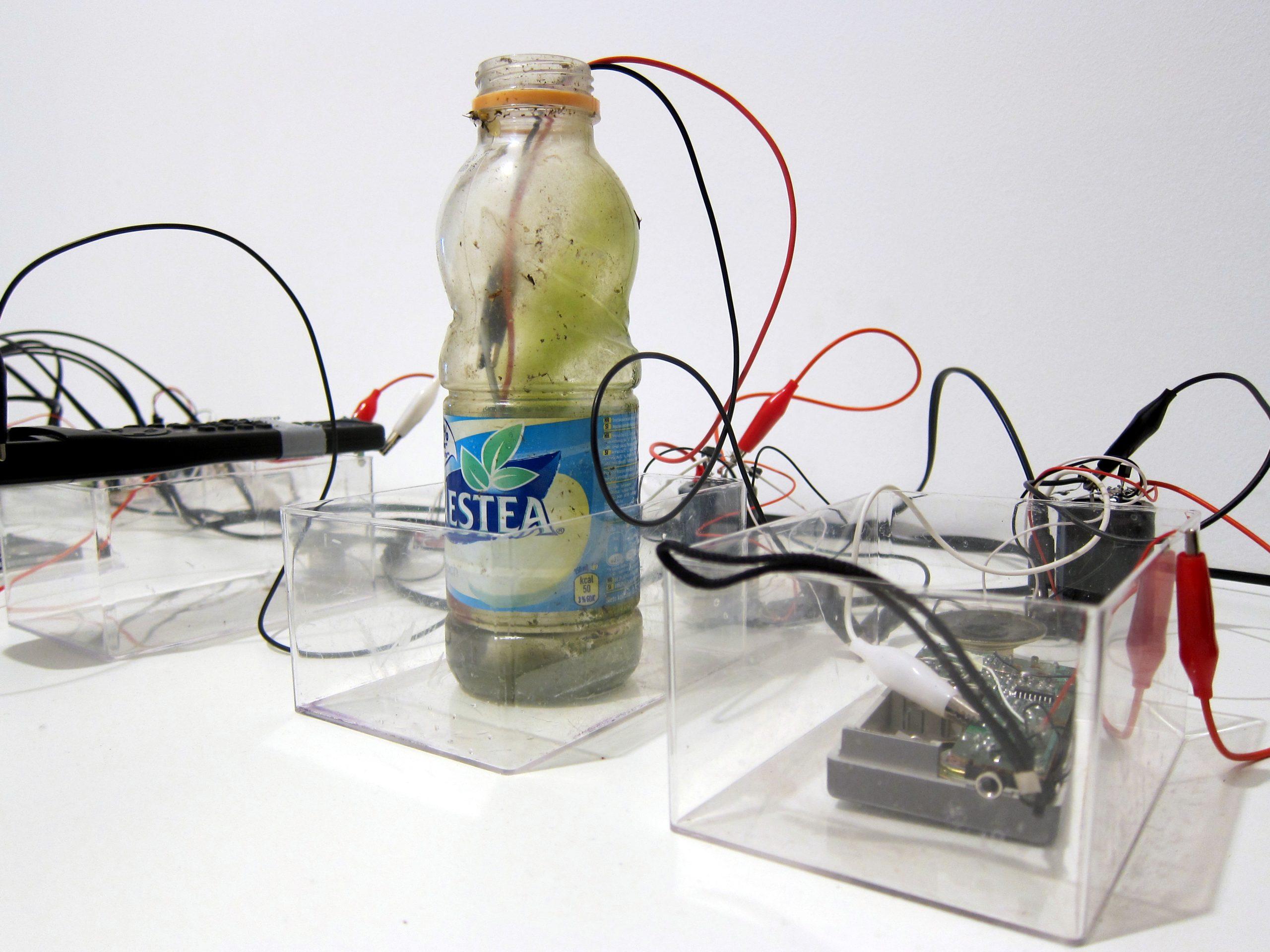
Karl Heinz Jeron collects carelessly discarded objects while walking through the city. With minimal electronic circuits he makes these objects sound. He has been inspired by the text Supernatural Apparitions and Domestic Life in Japan by Kazuhiko Komatsu.There he describes the concept of Ushirometasa.

“Although it has largely been forgotten since disposability became the order of the day, the Japanese once had a different attitude toward their household goods. They felt guilty about throwing things away, especially utensils made by human hands. The word used for these guilt feelings, ushirometasa, literally means feeling someone’s gaze behind one’s back. One has done something improper; anyone secretly watching would surely disapprove. The gaze implied by ushirometasa includes that of fellow humans, but traditionally it carried stronger connotations of the gaze of a divine spirit. When a utensil is discarded, the agent of the gaze is the spirit of the utensil itself.”
According to the found things, the sound, the colour of the sound and the volume of the sound are varied. Thus, an improvised piece of music is created from the most simple parts. The sound installation refers to the concept of aleatory music, based on aspects of chance and improvisation, as used by John Cage, Pierre Boulez, and Iannis Xenakis.
Auf Stadtspaziergängen sammelt Karl Heinz Jeron achtlos Weggeworfenes, das er mit minimalem elektronischen Aufwand zum Klingen bringt. Inspiration dafür ist der Text Supernatural Apparitions and Domestic Life in Japan von Kazuhiko Komatsu. Er beschreibt darin das Konzept des Ushirometasa.
Die gefundenen Dinge wirken sich direkt auf den Ton, die Klangfarbe und die Lautstärke aus. So entsteht aus einfachsten Gegenständen ein improvisiertes Musikstück. Die Klanginstallation bezieht sich auf das Konzept der Aleatorik, basierend auf Zufall und Improvisation, wie sie auch von John Cage, Pierre Boulez und Iannis Xenakis verwendet werden.[:]

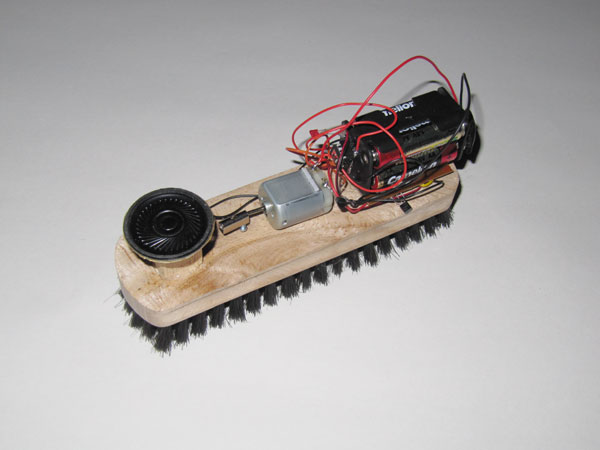
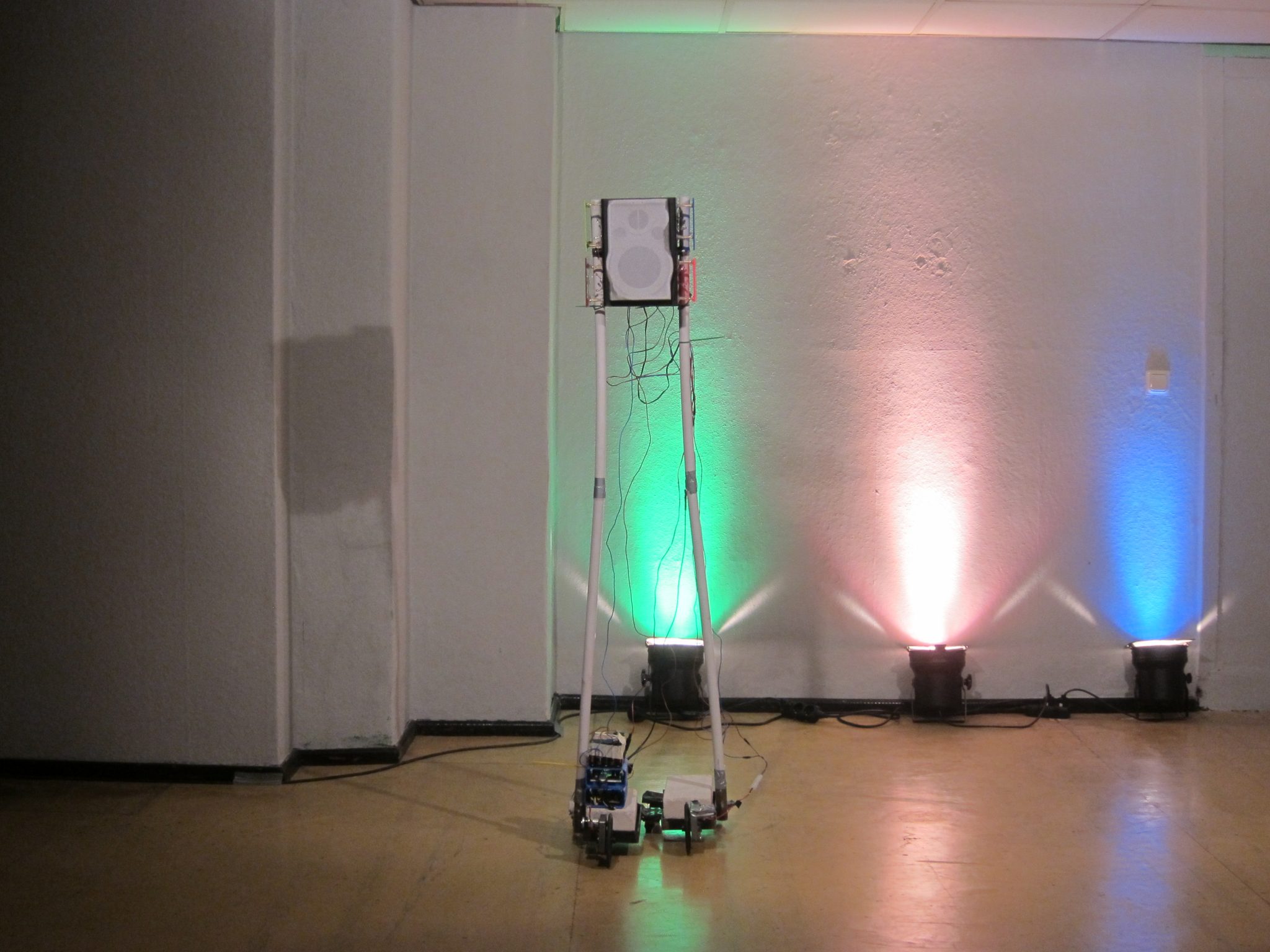
Berlin Galerie M presents “Karl Heinz Jeron: Marzahn Dingliebe” – love of things. During strolls through this Berlin quarter, Marzahn, the artist has collected random things which he uses as simple “sound makers”: electric circuits change the objects into resonating volumes, thus creating their very own sound. The gallery space is resounding with the sounds of Marzahn.
Jeron collected these objects when strolling around the quarter on a “psychogeographic walk” inspired by situationist ideas.
http://www.deconarch.com/marzahn-dingliebe-karl-heinz-jeron-in-der-galerie-m/